
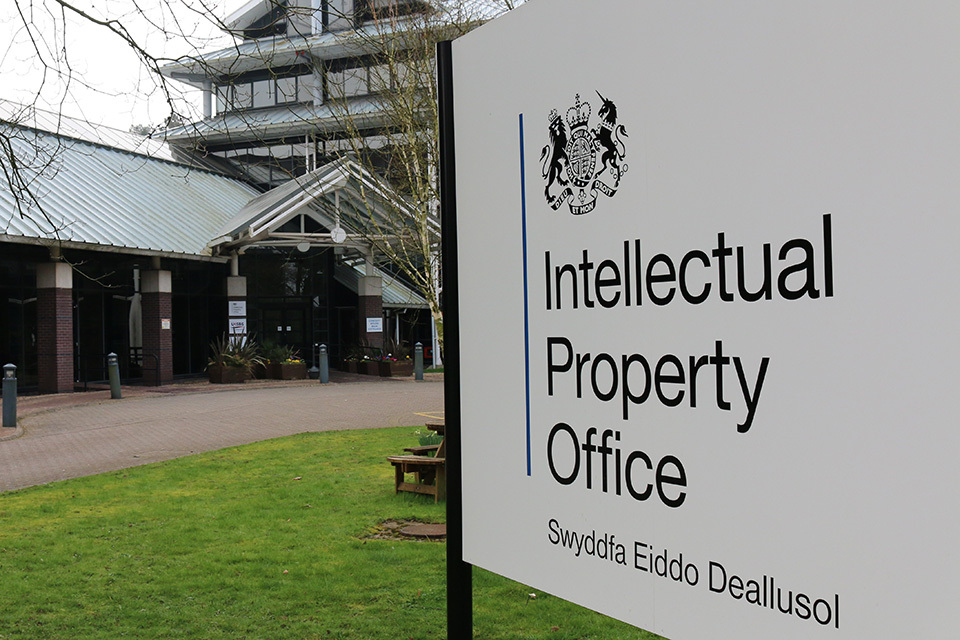
The UK Intellectual Property Office (UKIPO) continues to remain one of the leading authorities for patent registration and intellectual property protection in 2026. Following the recent procedural changes and updated official fee structures effective from April 2026, inventors, startups, software developers, engineers, researchers, and technology companies are increasingly focusing on securing patent protection for innovative products, technical systems, software solutions, and industrial inventions within the United Kingdom.
As innovation continues to expand across artificial intelligence, cybersecurity, biotechnology, manufacturing, SaaS platforms, blockchain systems, engineering technologies, and digital infrastructure, intellectual property protection has become increasingly important for businesses seeking to secure ownership rights, strengthen commercialization opportunities, and protect inventions from unauthorized use or duplication.
Recent UKIPO developments indicate that individuals are not legally required to hire a patent attorney or intellectual property representative in order to file a UK patent application. Applicants may independently prepare and submit patent applications directly through UKIPO filing systems. This flexibility has encouraged many independent inventors and startups to explore self-filing options, particularly during the early stages of product development and innovation planning.
However, while applicants are legally permitted to file patent applications without professional representation, many later encounter significant complications during substantive examination stages due to technical drafting deficiencies, procedural non-compliance, formatting inconsistencies, or legal interpretation issues. Patent drafting is not simply a technical explanation of an invention. A patent application is a legal and technical document that defines the scope of intellectual property protection being requested.
One of the most common challenges faced by self-filed applicants arises during office action responses and examiner objections. UKIPO examiners frequently issue examination reports raising concerns relating to novelty, inventive step, insufficient technical disclosure, unsupported amendments, claim clarity, inconsistent terminology, vague specifications, formatting issues, and lack of industrial applicability. Many applicants struggle to properly respond to these objections because patent examination involves both legal interpretation and technical analysis.
Patent claims remain one of the most critical parts of the application process. Claims define the exact scope of legal protection being sought by the applicant. Poorly drafted claims may unintentionally narrow protection, create ambiguity, or fail to properly distinguish the invention from prior art references identified during examination. In many cases, weak drafting at the filing stage later affects licensing opportunities, commercialization value, enforcement rights, and overall patent strength.
UKIPO examiners also carefully assess whether the invention satisfies the fundamental patentability requirements under UK patent law. These generally include novelty, inventive step, and industrial application. If similar technology or published material already exists anywhere in the world before the filing date, the application may face novelty objections. Likewise, inventions considered obvious to a skilled person within the technical field may fail the inventive step requirement.
Another major issue frequently faced by applicants relates to insufficient technical disclosure. Patent applications must clearly explain how the invention works and provide enough detail for a person skilled in the relevant technical field to understand and implement the invention. Vague descriptions, incomplete diagrams, unsupported technical statements, or inconsistent definitions may create examination complications and delays.
Formatting and procedural compliance also play an important role within UK patent filing procedures. Patent specifications, claims, abstracts, technical drawings, and supporting documents must comply with UKIPO procedural requirements. Many self-filed applicants encounter avoidable objections simply because applications are not properly structured or drafted according to required standards.
Businesses operating within artificial intelligence, fintech, engineering, manufacturing, software development, medical technology, industrial automation, biotechnology, cybersecurity, and digital platform sectors should carefully evaluate patent protection strategies before publicly disclosing or commercializing inventions. Public disclosure before filing may significantly affect patent rights and future intellectual property protection opportunities.
Patent protection can provide important commercial advantages for startups and growing businesses. A properly drafted and successfully granted patent may improve investor confidence, strengthen market position, support licensing opportunities, increase business valuation, and help prevent unauthorized commercial exploitation by competitors.
Popular search trends relating to intellectual property in 2026 include UK patent filing, UKIPO patent registration, patent drafting services, UK patent application process, patent attorney UK, patent examination procedure, software patent UK, AI patent filing, startup patent protection, patent office action response, intellectual property rights, invention protection UK, and patent registration costs.
The UK patent process generally includes preparation and filing of the application, formal examination procedures, publication stages, search reports, substantive examination, office action responses, claim amendments, and grant-related procedures if the application satisfies UKIPO requirements. Depending on the complexity of the invention and examiner observations, obtaining a granted patent may take several years.
Inventors and businesses should carefully consider long-term intellectual property strategies before filing applications. Patent drafting quality, technical disclosure, claim structure, prior art analysis, procedural compliance, and response strategy during examination can significantly affect the outcome of the patent process and the overall strength of protection obtained.
We have handled various patent applications from filing stage through examination and grant-related procedures. You may contact us by submitting the service request form available on the website or by sending your request through email for professional assistance regarding patent filing, patent drafting, office action responses, technical documentation support, intellectual property consultancy, and innovation protection strategies.