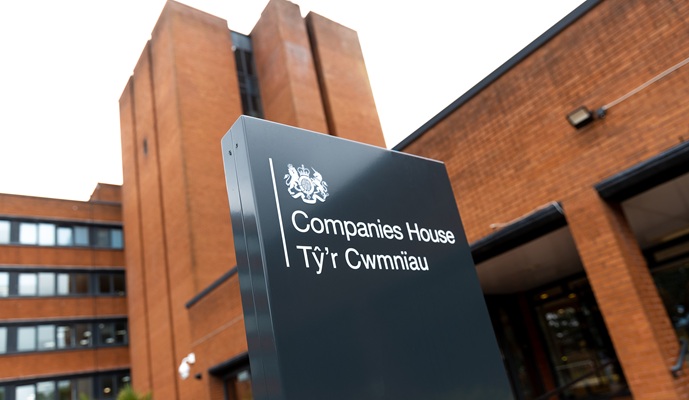
The UK government has recently issued an important fraud warning for businesses, startups, trademark applicants, and company owners regarding misleading payment requests connected with Companies House and the UK Intellectual Property Office (UKIPO). According to the latest announcement published in May 2026, businesses are being urged to remain vigilant against unsolicited invoices, fake renewal notices, and misleading intellectual property payment requests sent by organizations that are not officially affiliated with the UK government.
As trademark registrations, company formations, patent filings, and intellectual property applications continue to increase across the United Kingdom, scammers are increasingly targeting startups, entrepreneurs, and small businesses through deceptive correspondence that appears official at first glance.
What Are the Most Common UKIPO & Companies House Scams?
Recent reports indicate that many businesses receive fake invoices through email or physical mail requesting payment for services that are either available directly through official government channels at significantly lower fees or completely unnecessary.
These fraudulent requests commonly relate to:
- Trademark renewal services
- Exclusive online trademark registers
- Company authentication requests
- Companies House account verification
- Intellectual property publication services
- Patent or trademark monitoring offers
- Corporate compliance notifications
- Company registration maintenance requests
Many of these invoices are designed to resemble official government correspondence and may include professional formatting, legal terminology, registration numbers, or urgent payment deadlines intended to pressure businesses into making unnecessary payments.
Why Are Startups and Trademark Applicants Common Targets?
Startups, first-time entrepreneurs, trademark applicants, and international businesses are often targeted because they may not yet be fully familiar with UKIPO procedures, Companies House processes, or official government fee structures.
After filing a trademark application, patent application, or company registration, applicant information may become publicly searchable through official registers. Fraudulent third parties sometimes use publicly available information to send misleading notices that appear connected to genuine filings.
Many businesses mistakenly assume these letters are official renewal requirements or mandatory compliance obligations, particularly when the correspondence contains legal terminology or references to intellectual property rights.
How Can Businesses Identify Fake Trademark or Company Invoices?
Businesses should carefully review any payment request relating to trademarks, patents, company registrations, or intellectual property matters before making payment.
Common warning signs include:
- Generic email addresses or suspicious domains
- Requests for inflated fees
- Urgent payment demands
- References to unofficial online registers
- Disclaimers stating the sender is not affiliated with government authorities
- Poorly drafted correspondence
- Unrecognized service providers
- Unusual international payment instructions
Official Companies House and UKIPO services are generally provided through official GOV.UK channels or recognized authorized representatives.
Why Intellectual Property Fraud Is Increasing in 2026
As online business formation, digital commerce, SaaS platforms, AI startups, and international intellectual property filings continue to grow, scammers are increasingly exploiting business owners through fake legal notices and misleading compliance demands.
Popular search topics in 2026 now include:
- UKIPO scam warnings
- Fake trademark renewal invoices
- Companies House fraud alerts
- Intellectual property scams UK
- Trademark payment fraud
- Fake patent invoices
- Company registration scam letters
- UK business fraud prevention
- Trademark renewal notices
- Intellectual property fraud protection
Businesses operating internationally should remain cautious when receiving unsolicited legal correspondence or intellectual property payment demands from unknown entities.
What Should Businesses Do Before Making Any Payment?
Before paying any invoice connected with trademarks, patents, intellectual property rights, or company registration services, businesses should:
- Verify the sender’s legitimacy
- Review the domain name carefully
- Confirm whether the payment is officially required
- Contact official government authorities if uncertain
- Consult authorized legal or intellectual property representatives
- Review official filing records directly
If suspicious activity is identified, businesses should immediately report potential fraud to the appropriate authorities and avoid responding to questionable payment requests without verification.
Intellectual Property Protection Requires Careful Monitoring
As intellectual property filings continue to increase globally, businesses should implement proper compliance and verification procedures when handling trademark registrations, patent applications, company filings, and renewal notices.
Professional review of intellectual property correspondence, compliance notices, and renewal demands can help businesses avoid unnecessary financial losses, fraudulent payment requests, and misleading third-party services.
We assist businesses, startups, entrepreneurs, and international clients with trademark support, patent filing assistance, legal documentation review, intellectual property consultancy, and compliance-related services across multiple jurisdictions. Clients may submit requests through our website service form or contact us through email for professional assistance regarding intellectual property and compliance matters.