
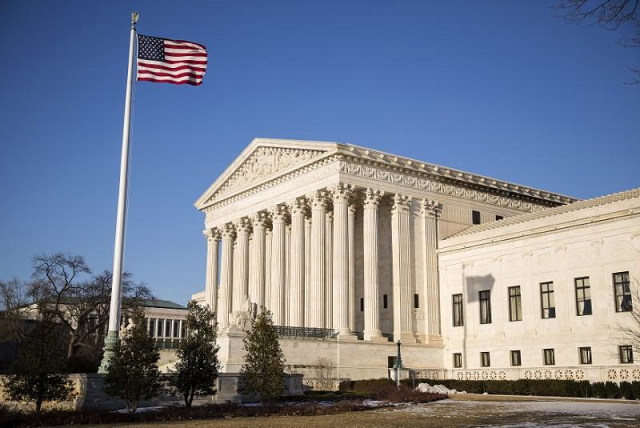
What Is Pro Se Litigation in the United States?
Pro Se litigation in the United States refers to legal proceedings where an individual represents themselves before a court without formally hiring an attorney. The term “Pro Se” originates from Latin terminology meaning “for oneself.” Under U.S. law, individuals generally have the right to appear in court on their own behalf in various legal matters, including civil litigation, federal court proceedings, state court claims, employment disputes, commercial litigation, contract disputes, appellate matters, bankruptcy proceedings, and certain administrative hearings.
In recent years, U.S. courts have witnessed a noticeable increase in self-represented litigants. Many individuals choose Pro Se representation because of financial limitations, personal preference, limited access to legal resources, dissatisfaction with prior representation, or the belief that their legal matter appears straightforward. However, despite the right of self-representation, courts still expect Pro Se litigants to comply with the same procedural standards, filing requirements, deadlines, and court rules that apply to licensed attorneys.
Federal courts, state courts, appellate courts, and administrative tribunals generally do not relax procedural standards simply because a party proceeds without legal counsel. This creates substantial challenges for many self-represented litigants who may not fully understand court procedures, legal drafting standards, evidentiary rules, jurisdictional requirements, or litigation strategy considerations.
Why Pro Se Litigation Continues to Increase in Federal and State Courts
The growing number of Pro Se litigants across the United States reflects broader legal and economic realities. Civil litigation costs, attorney fees, procedural complexity, and lengthy legal proceedings often encourage individuals to attempt self-representation in matters involving contract disputes, debt collection claims, landlord-tenant issues, employment disputes, intellectual property conflicts, consumer claims, family disputes, and business litigation.
The increasing availability of online legal resources, electronic court filing systems, publicly accessible court forms, and digital legal research platforms has also contributed to the growth of Pro Se litigation. Many litigants believe they can independently navigate the court system after reviewing online procedural information. However, litigation involves far more than simply completing forms or submitting documents.
Court procedures frequently require careful compliance with local rules, Federal Rules of Civil Procedure, evidentiary standards, motion practice requirements, appellate briefing standards, and procedural deadlines. Failure to comply with these requirements may significantly affect a litigant’s case regardless of the underlying legal merits.
Common Legal Drafting Problems Faced by Pro Se Litigants
One of the most serious difficulties encountered by self-represented litigants involves improper legal drafting and deficient court documentation. Courts generally require formal pleadings, complaints, motions, responses, affidavits, declarations, legal memorandums, exhibits, appendices, notices, and supporting evidence to comply with specific procedural and formatting standards.
Common drafting issues in Pro Se litigation include:
- Improper complaint formatting
- Failure to state legally recognizable claims
- Insufficient factual allegations
- Missing jurisdictional statements
- Inadequate citation to statutes or case law
- Improperly structured motions
- Defective affidavits or declarations
- Unsupported legal arguments
- Incomplete supporting exhibits
- Non-compliance with page limitations
- Improper caption formatting
- Incorrect service procedures
- Failure to comply with local filing rules
Many courts strictly enforce procedural compliance requirements even where litigants proceed without counsel. Judges may dismiss complaints, strike pleadings, reject filings, deny motions, or impose procedural sanctions where court submissions fail to comply with applicable rules.
Proper legal drafting remains essential in federal litigation, civil litigation, appellate matters, employment disputes, intellectual property cases, commercial disputes, and contract litigation proceedings. Well-structured pleadings and organized documentation often help present legal arguments more effectively and improve procedural clarity.
Federal Rules of Civil Procedure and Court Filing Compliance
The Federal Rules of Civil Procedure govern civil proceedings in United States federal courts. These procedural rules establish standards relating to pleadings, discovery, motions, service requirements, amendments, evidence handling, summary judgment procedures, and trial preparation.
Many Pro Se litigants struggle to understand how federal litigation procedures operate in practice. Even where individuals possess strong factual claims, procedural deficiencies frequently undermine their ability to effectively present matters before the court.
Important procedural areas that commonly affect self-represented litigants include:
- Filing deadlines and statute limitations
- Proper service of process
- Motion filing requirements
- Discovery obligations
- Electronic filing compliance
- Court scheduling orders
- Evidence submission procedures
- Appellate briefing rules
- Jurisdictional requirements
- Procedural objections and responses
Failure to comply with procedural deadlines alone may result in dismissal of claims, waiver of legal rights, exclusion of evidence, or denial of requested relief.
Federal litigation procedures may also vary between jurisdictions because district courts often maintain separate local court rules in addition to federal procedural standards. Understanding both federal and local procedural requirements therefore becomes extremely important during litigation.
Importance of Court Pleadings, Motions, and Litigation Documentation
Court pleadings and litigation documents form the foundation of most legal proceedings. Complaints, answers, counterclaims, motions, responses, affidavits, declarations, and supporting exhibits collectively establish the procedural framework through which disputes are presented before the court.
Poorly prepared legal documents may create confusion, weaken legal arguments, or lead to avoidable procedural disputes. In contrast, organized and professionally structured litigation documents often improve clarity, procedural compliance, and overall presentation.
Important litigation documents commonly used in U.S. courts include:
- Civil complaints
- Motions to dismiss
- Summary judgment motions
- Responses and replies
- Affidavits and declarations
- Discovery requests
- Legal notices
- Appellate briefs
- Supporting memorandums
- Evidence appendices
- Procedural motions
- Emergency motions
- Requests for extensions
Many self-represented litigants underestimate the significance of procedural formatting, legal terminology, exhibit organization, and filing structure when preparing court submissions.
Electronic Court Filing Systems and Pro Se Litigation Challenges
Modern litigation increasingly relies upon electronic filing systems commonly referred to as ECF systems within federal courts. Electronic filing procedures require litigants to submit pleadings, motions, evidence, notices, and procedural documents digitally through court-approved systems.
While electronic filing improves efficiency, it also creates additional procedural challenges for Pro Se litigants unfamiliar with court technology systems or digital filing requirements.
Common electronic filing issues include:
- Incorrect PDF formatting
- Improper exhibit labeling
- Filing incomplete documents
- Incorrect docket event selection
- Failure to redact confidential information
- Missing deadlines due to filing errors
- Improper electronic signatures
- Uploading incorrect attachments
Courts may reject filings that fail to comply with electronic filing requirements or formatting standards. In some cases, rejected filings may create procedural delays affecting important litigation deadlines.
Appellate Litigation and Self-Representation Risks
Appellate litigation presents even greater procedural complexity than trial-level proceedings. Appeals generally require strict compliance with appellate procedural rules, briefing standards, citation requirements, and filing schedules.
Appellate courts frequently focus heavily on legal arguments, procedural preservation issues, standards of review, and proper citation to legal authorities. Unlike trial courts, appellate proceedings often involve highly technical legal analysis requiring detailed briefing standards.
Common appellate litigation issues faced by Pro Se litigants include:
- Improper appellate brief formatting
- Failure to preserve issues for appeal
- Deficient legal citations
- Inadequate record references
- Procedural waiver of arguments
- Jurisdictional deficiencies
- Improper appendix preparation
- Failure to comply with briefing schedules
Because appellate courts generally apply strict procedural standards, many self-represented litigants encounter significant difficulties navigating appellate procedures without litigation documentation support.
Litigation Strategy and Procedural Risk Management
Successful litigation often requires more than presenting factual allegations alone. Strategic case organization, procedural planning, evidence management, legal research, and compliance with court procedures frequently influence litigation outcomes.
Litigation strategy considerations may involve:
- Jurisdictional analysis
- Procedural motion practice
- Evidence organization
- Discovery management
- Settlement evaluation
- Court scheduling compliance
- Motion response preparation
- Legal research support
- Appellate preservation strategy
Procedural mistakes may sometimes affect a case more significantly than underlying factual disputes. Courts place substantial importance on procedural compliance, particularly in federal litigation matters and appellate proceedings.
Why Professional Litigation Documentation Support Matters
Professional litigation documentation support services may assist individuals with organizing legal materials, preparing procedural documents, reviewing filing requirements, formatting pleadings, drafting affidavits, managing exhibits, and maintaining procedural compliance.
Litigation support services commonly assist with:
- Motion drafting support
- Court document formatting
- Affidavit preparation
- Procedural compliance review
- Evidence organization
- Federal court pleadings
- Litigation document management
- Appellate documentation support
- Filing organization
- Legal drafting assistance
While litigation support services do not guarantee case outcomes, organized documentation and procedural compliance may help reduce avoidable filing deficiencies and improve the presentation of legal matters before the court.
Growing Search Trends Relating to Pro Se Litigation and Legal Drafting Services
The increasing number of self-represented litigants has also expanded online searches relating to litigation documentation and procedural assistance. Individuals frequently search for terms such as:
- Pro Se litigation support
- Legal drafting services
- Federal court pleadings
- Motion drafting assistance
- Civil litigation documents
- Court document preparation
- Litigation support services
- Affidavit drafting
- Federal Rules of Civil Procedure
- Appellate brief drafting
- Court filing compliance
- Legal motion formatting
- Self-representation in federal court
- Employment litigation documentation
- Contract dispute pleadings
- Commercial litigation support
As litigation procedures continue evolving, procedural compliance and organized documentation remain critical factors for individuals navigating U.S. courts without formal legal representation.
Professional Litigation Documentation Support Across Multiple Jurisdictions
At MBS International Legal, we assist clients with litigation documentation support, legal drafting assistance, procedural document organization, motion drafting support, affidavit preparation, compliance review, and court-related documentation services across multiple jurisdictions.
We assist individuals, startups, businesses, and international clients with legal drafting and procedural documentation support relating to civil litigation, commercial disputes, employment matters, intellectual property disputes, appellate proceedings, and court filing requirements.
Clients may submit requests through the website service form or contact us by email for professional assistance regarding litigation documentation support, procedural compliance review, and court-related document preparation services.