Choosing a brand name is exciting, but filing a trademark application without checking the name first can create unnecessary cost and delay.
A Google search is not enough. A domain name being available is not enough. Even finding no identical trademark in a database does not automatically mean that the name is safe.
A proper trademark search looks at the proposed mark, similar marks, the goods and services involved, relevant countries, ownership, status, and the likelihood that consumers could confuse the businesses.
For a business planning to operate internationally, the search should be designed around the markets where the brand will actually be used.
Why should you search a trademark before filing?
Trademark registration is territorial. A name may be available in one country while conflicting with an earlier right in another.
The same word can also coexist for completely different goods or services in some circumstances. For example, an identical word used for financial services may present a different analysis from the same word used for clothing.
This is why a simple exact-name search can give a false sense of security.
A useful search should answer a practical question:
Can this brand reasonably be adopted, registered and used in the markets that matter to the business?
That question is broader than asking whether an identical name appears in a database.
1. Start with the exact brand name
The first step is an exact search for the proposed trademark.
This identifies:
- identical registered marks;
- pending applications;
- expired or abandoned applications;
- earlier marks owned by the same or different businesses;
- relevant goods and services;
- geographic coverage; and
- current status.
The status matters. A live registration is obviously different from an abandoned application. However, an old record should not automatically be ignored. It may provide information about the history of the name or the relevant industry.
2. Search similar names, not only identical names
Trademark conflicts frequently arise from similarity rather than exact identity.
A professional search should consider:
- spelling variations;
- phonetic similarities;
- plural and singular forms;
- abbreviations;
- transliterations;
- different word spacing;
- common prefixes and suffixes;
- alternative spellings;
- similar wording; and
- combinations of words that create a similar overall impression.
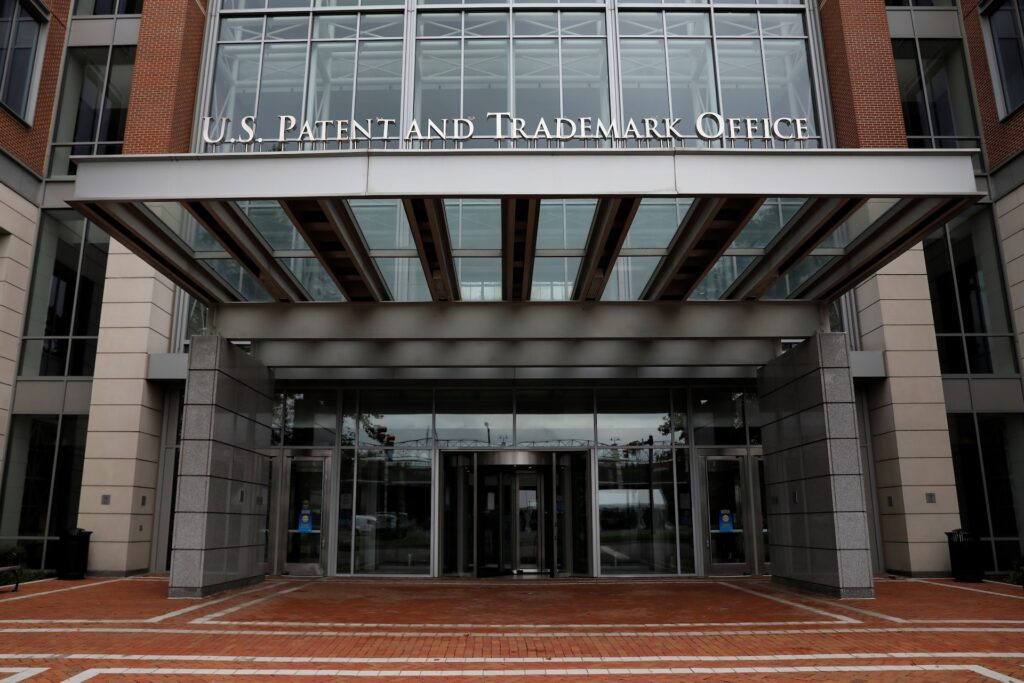
The United States Patent and Trademark Office explains likelihood of confusion through factors including similarity of the marks and the relationship between the goods or services.
This means that searching only for the exact spelling of your proposed name is incomplete.
3. Review the goods and services
Trademark protection is connected to the goods and services identified in the application.
The Nice Classification system divides goods and services into 45 classes, but the class number alone does not determine the scope of protection. The actual description matters.
For example, two businesses may have similar names but operate in unrelated areas. On the other hand, two businesses may use different names but offer closely related products to the same customers.
The practical question is:
Would consumers reasonably believe that the two businesses come from the same source or are commercially connected?
That is why MBS recommends reviewing the actual goods and services rather than simply saying, “They are in different classes.”
4. Check the relevant country
A trademark search should be connected to your business plan.
If you intend to sell products in the United States, United Kingdom, European Union and Saudi Arabia, checking only one country does not provide a global clearance opinion.
Different offices also operate under different procedures.
For example, foreign-domiciled applicants seeking U.S. trademark protection must be represented before the USPTO by a U.S.-licensed attorney.
In the UK, a standard online trademark application currently costs £205 for one class, with additional classes charged separately.
For an EU trade mark, the basic online application fee is €850 for one class.
Saudi Arabia has its own national filing system and official fee structure through the Saudi Authority for Intellectual Property (SAIP).
The point is simple: trademark availability is country-specific.
5. Do not forget unregistered use
A database search can identify registered and pending rights, but business use can create additional issues depending on the jurisdiction.
A business may already be using a name without owning a registration.
This is particularly important when assessing U.S. trademark clearance, because the USPTO itself recommends comprehensive searching beyond the federal register when evaluating a mark.
A serious clearance review may therefore include:
- search engines;
- business websites;
- marketplace listings;
- social media;
- industry directories;
- company databases;
- domain information; and
- other evidence of commercial use.
What if you find a similar trademark?
Finding a similar trademark does not automatically mean that you must abandon your name.
The next step is risk analysis.
Consider:
- How similar are the marks?
- How similar are the goods or services?
- Are the businesses operating in the same market?
- Is the earlier mark strong or weak?
- Is the earlier registration active?
- Is there evidence of actual commercial use?
- Which countries are involved?
- How important is the proposed brand to your business?
The answer may be to file, modify the name, narrow the goods or services, investigate further, or select a new brand.
When should you perform a trademark search?
Ideally, before investing heavily in the brand.
Search before:
- printing packaging;
- manufacturing inventory;
- launching an online store;
- purchasing large advertising campaigns;
- entering distribution agreements;
- registering the company under the name; or
- building a long-term international brand.
Changing a name after launch can be considerably more expensive than changing it during the planning stage.
Trademark search checklist for 2026
Before filing, ask:
- Have I searched the exact name?
- Have I searched similar spellings?
- Have I checked phonetic similarities?
- Have I reviewed relevant goods and services?
- Have I identified the countries where the brand will operate?
- Have I checked live applications and registrations?
- Have I investigated potentially relevant marketplace and business use?
- Have I assessed the strength of the earlier marks?
- Have I considered the cost of changing the name?
- Do I have a clear filing strategy?
Frequently Asked Questions
Is a Google search enough for a trademark?
No. Google can identify commercial use, but it does not replace a trademark database search or legal assessment.
Does an available domain mean the trademark is available?
No. Domain registration and trademark rights are separate issues.
Can I register a trademark if a similar trademark exists?
Possibly. The answer depends on factors such as similarity, goods and services, territory, earlier rights and the overall likelihood of confusion.
Should I search before or after creating my logo?
Ideally, search the brand name before making significant investment in branding. If you intend to register a logo separately, the logo should also be reviewed.
Final takeaway
A trademark search should not simply produce a list of names. It should help you make a business decision.
At MBS International Legal, we assist businesses with trademark search, registration strategy and international IP coordination for markets including the United States, United Kingdom, European Union, Saudi Arabia, Philippines and other jurisdictions.
A well-planned search can help you identify problems before they become expensive.
General information only. This article does not constitute legal advice for a particular matter.
Official sources: USPTO trademark guidance; UKIPO trademark guidance; EUIPO trademark fee and filing guidance; SAIP trademark services.